Comprehending Senior Care Options: From In-Home Support to Assisted Living Solutions
Steering through senior care alternatives can be a challenging job for families. With a variety of solutions offered, from in-home support to assisted living, understanding the nuances is critical. Each selection offers one-of-a-kind benefits and obstacles, tailored to differing degrees of requirement. Households must weigh their options very carefully. What variables should they take into consideration to assure their loved ones receive the most effective feasible care?
Introduction of Senior Care Options
As individuals age, they often face a range of obstacles that require different kinds of care, resulting in a diverse range of senior care alternatives offered. These choices range from independent living areas, where senior citizens preserve freedom while taking pleasure in an encouraging setting, to assisted living facilities that supply assist with daily activities. For those calling for more comprehensive assistance, assisted living home provide 24-hour clinical care. Memory care devices specialize in catering to individuals with dementia or Alzheimer's. Hospice care concentrates on end-of-life comfort and assistance for both families and people. Each choice is created to address specific requirements, making sure that elders receive appropriate levels useful while advertising their self-respect and lifestyle.
At Home Assistance Providers
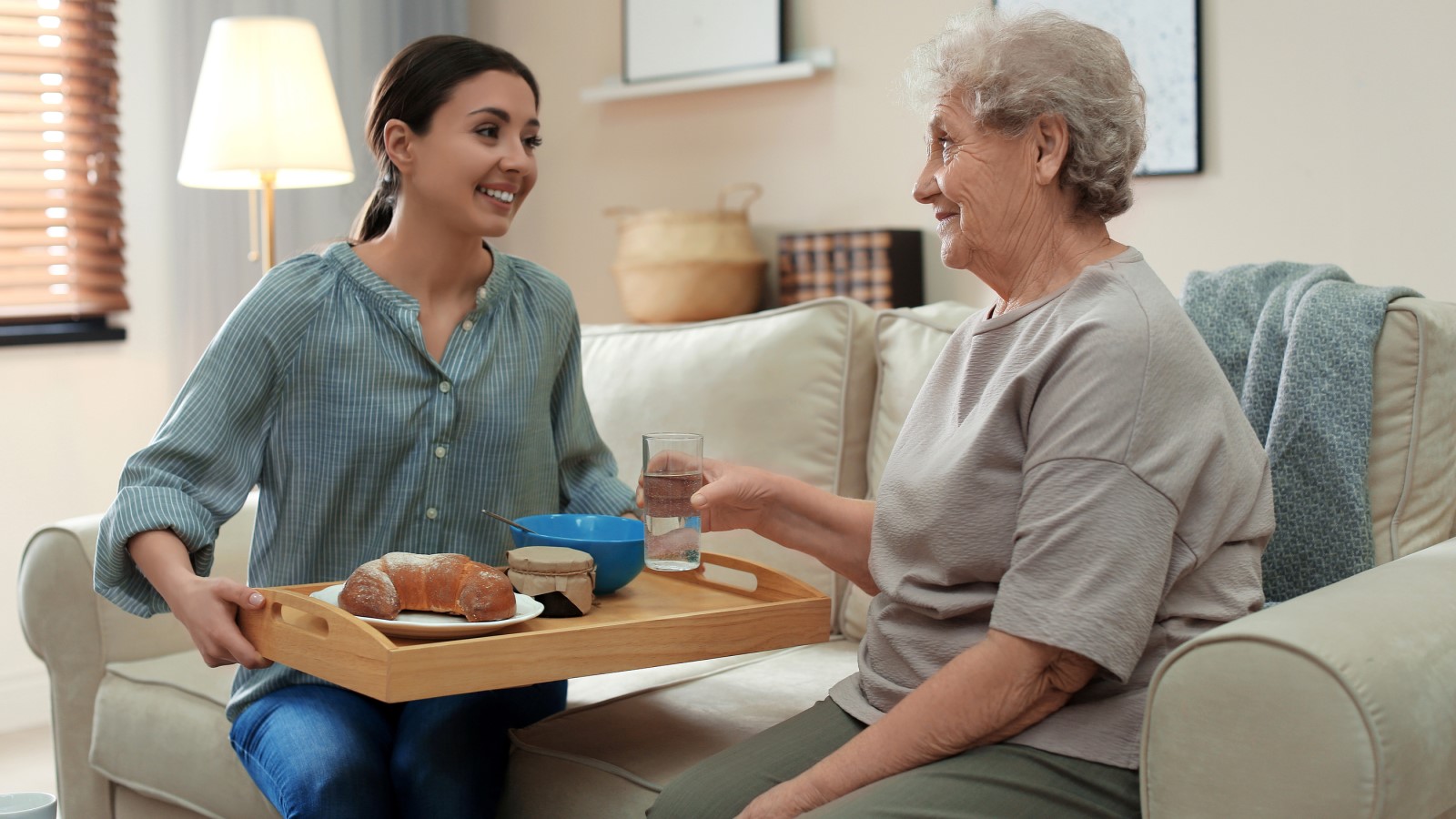
In-home assistance solutions give a useful alternative for senior citizens who want to age in location while receiving necessary aid. These solutions incorporate a series of assistance alternatives, consisting of personal care, friendship, and home jobs. Educated caregivers can help elders with everyday tasks such as bathing, dressing, dish preparation, and drug administration, advertising freedom and improving high quality of life. In addition, at home support can be tailored to private needs, enabling for adaptable organizing and differing degrees of care. This individualized approach not just cultivates a sense of safety however additionally minimizes the stress linked with moving to a center. By choosing in-home assistance services, senior citizens can keep their regimens and stay in familiar surroundings while obtaining the help they need.
Aided Living Facilities
While lots of seniors favor to age in position, assisted living facilities supply a structured setting that accommodates those who need much more extensive support. These centers give an equilibrium between self-reliance and support, making it possible for citizens to maintain their individual routines while accessing essential solutions. Commonly, assisted living consists of assistance with daily activities such as bathing, dressing, and medicine management. Locals can enjoy public dining, social activities, and transportation services, cultivating a feeling of area and interaction. Furthermore, helped living centers commonly feature numerous lodgings, from private apartment or condos to shared areas, enabling customized living situations. By combining security, social interaction, and assistance, these centers function as a practical alternative for elders looking for an extra enriching lifestyle.
Nursing Homes and Skilled Care
Nursing homes and skilled care facilities provide important medical support for senior citizens that need a lot more considerable aid than what is supplied in assisted living settings. These centers are outfitted with experienced medical care professionals, including nurses and this content rehabilitation specialists, that satisfy individuals with chronic health problems, specials needs, or recovery requirements. Locals take advantage of 24-hour guidance, personalized care plans, and accessibility to clinical devices. Assisted living home often feature an organized environment that promotes safety and security and social interaction. Furthermore, skilled care facilities may supply specific solutions such as physical therapy, work therapy, and medication monitoring. This degree of care is essential for seniors who require ongoing medical interest, guaranteeing they get the support required to preserve their health and wellness and lifestyle.
Picking the Right Alternative for Your Loved One
Exactly how can family members browse the complicated landscape of senior care alternatives for their liked ones? It starts with reviewing specific demands, which might consist of medical why not try here needs, flexibility degrees, and social preferences. Families ought to think about in-home look after those seeking familiarity and freedom, while helped living facilities use a balanced strategy with area assistance. For people needing extensive clinical assistance, taking care of homes might be extra proper. Spending plan restrictions likewise play a significant role; families need to evaluate funds and prospective insurance policy coverage. Communication with the enjoyed one is important to ensure their dreams and convenience are focused on. Inevitably, a thoughtful combination of these aspects will assist families make notified decisions that ideal sustain their loved one's wellness and joy.

Often Asked Inquiries
What Is the Typical Expense of In-Home Senior Care Services?
The average cost of at home senior care services commonly ranges from $20 to $40 per hour, depending on the level of care called for and geographical place, with month-to-month costs averaging in between $3,000 and $7,000. (The Sanctuary Senior Care)
Just how Do I Assess the Quality of a Helped Living Facility?
To examine the high quality of an assisted living center, one ought to consider resident reviews, staff qualifications, security steps, sanitation, available tasks, and the general environment, guaranteeing it aligns with the person's requirements and choices.
Exist Details Qualifications for In-Home Caregivers?
Yes, there specify accreditations for in-home caregivers, including Qualified Nursing Aide (CNA), Home Wellness Assistant (HHA), and specialized training in locations like dementia care - The Sanctuary Senior Care. These certifications guarantee caregivers satisfy needed requirements for top quality and safety and security

What Legal Files Are Needed for Senior Care Choices?
Legal documents needed for senior care decisions typically include a power of attorney, medical care proxy, living will, and advancement regulations. These documents assure that the senior's medical care preferences and monetary issues are respected and managed appropriately.
Exactly How Can I Assess My Enjoyed One's Care Demands Precisely?
To evaluate an enjoyed one's care requires accurately, one must observe everyday tasks, speak with health care specialists, and discuss problems openly with the individual. Detailed evaluations can aid recognize physical, emotional, and social assistance needs efficiently.
Guiding with senior care choices can be a challenging task for households. As individuals age, they typically deal with a variety of challenges that require various types of care, leading to a varied range of senior care choices available. Nursing homes and skilled care facilities give vital clinical support for elders that call for extra extensive view website help than what is provided in assisted living settings. Just how can households navigate the complicated landscape of senior care alternatives for their liked ones? Legal documents required for senior care choices commonly consist of a power of attorney, healthcare proxy, living will, and development instructions.